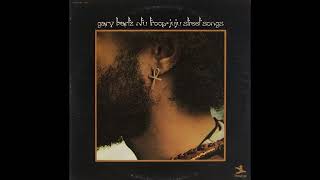
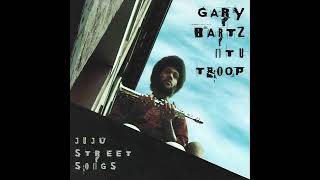
In October 1972, saxophonist Gary Bartz and his NTU Troop entered Fantasy Studios in Berkeley, California to record Juju Street Songs, an album that would capture the ensemble at a creative peak. Released on Prestige Records and supervised by producer Orrin Keepnews, the session represents a fearless collision of jazz, funk, and African musical traditions—a risk-taking venture that AllMusic has praised as "excellent from start to finish."
The centerpiece of Juju Street Songs is the striking track Teheran, composed by Bartz himself. At eight minutes twenty seconds, this composition evokes the Iranian capital through its title and sonic landscape, bringing an international dimension to the ensemble's bold fusion sound. The track demonstrates Bartz's ability to translate geographic and cultural imagery into music, much as his peers were doing across the jazz spectrum during this fertile period.
The NTU Troop—featuring Andy Bey on vocals and keyboards, bassist Stafford James, and drummer Howard King alongside Bartz on alto, soprano, and sopranino saxophones—functions as a collective voice, each member contributing vocals and percussion to create a rich, layered sound. This democratic approach to ensemble playing, combined with electric instrumentation and percussive textures, marks Juju Street Songs as a document of early-'70s jazz fusion at its most socially engaged and musically adventurous.