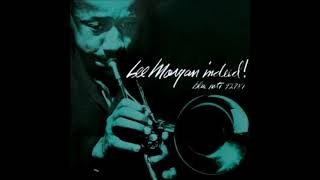
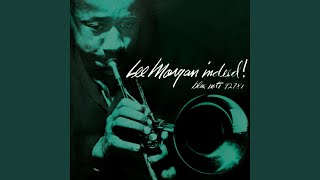
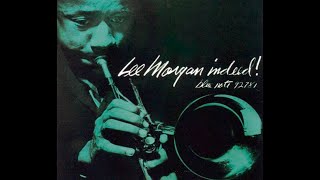
Lee Morgan's Gaza Strip stands as a defining moment in hard bop, a three-minute-and-fifty-six-second journey through the sophisticated soundscape of Owen Marshall's composition. Recorded on November 4, 1956, at Rudy Van Gelder Studio, the track features Morgan's trumpet alongside alto saxophonist Clarence Sharpe, pianist Horace Silver, bassist Wilbur Ware, and drummer Philly Joe Jones—a lineup that would become synonymous with Blue Note's golden era.
The title itself evokes an exotic geography, referencing the Gaza Strip as a coastal landmark of the Middle East. In the context of 1957, when Indeed! was released as Morgan's Blue Note debut, the name served as an evocative motif—part of jazz's tradition of naming instrumental compositions after distant places and imagined landscapes. Rather than narrative or lyrical content, Gaza Strip relies on the pure instrumental dialogue between its players, each contributing to the hard bop aesthetic that defined the label's vision.
What emerges is a masterclass in ensemble interplay. Morgan's trumpet cuts through the arrangement with clarity and purpose, while Sharpe's alto saxophone provides textural counterpoint. Silver's piano work anchors the harmonic foundation, allowing Ware's bass and Jones's drums to establish the propulsive rhythm that drives the composition forward. The result is music that transcends its title—a sophisticated exploration of melody, harmony, and timbre that showcases why Morgan would become one of jazz's most celebrated voices.